Equiconscism®
The theory of conscious balance: for an economy in the service of life
Conscious balance: the art of thriving together, in motion and with measure.
By David Fiorucci · Offered on the tenth anniversary of LP3 AG / SA (2016–2026) · Free, open license CC BY-NC-SA 4.0
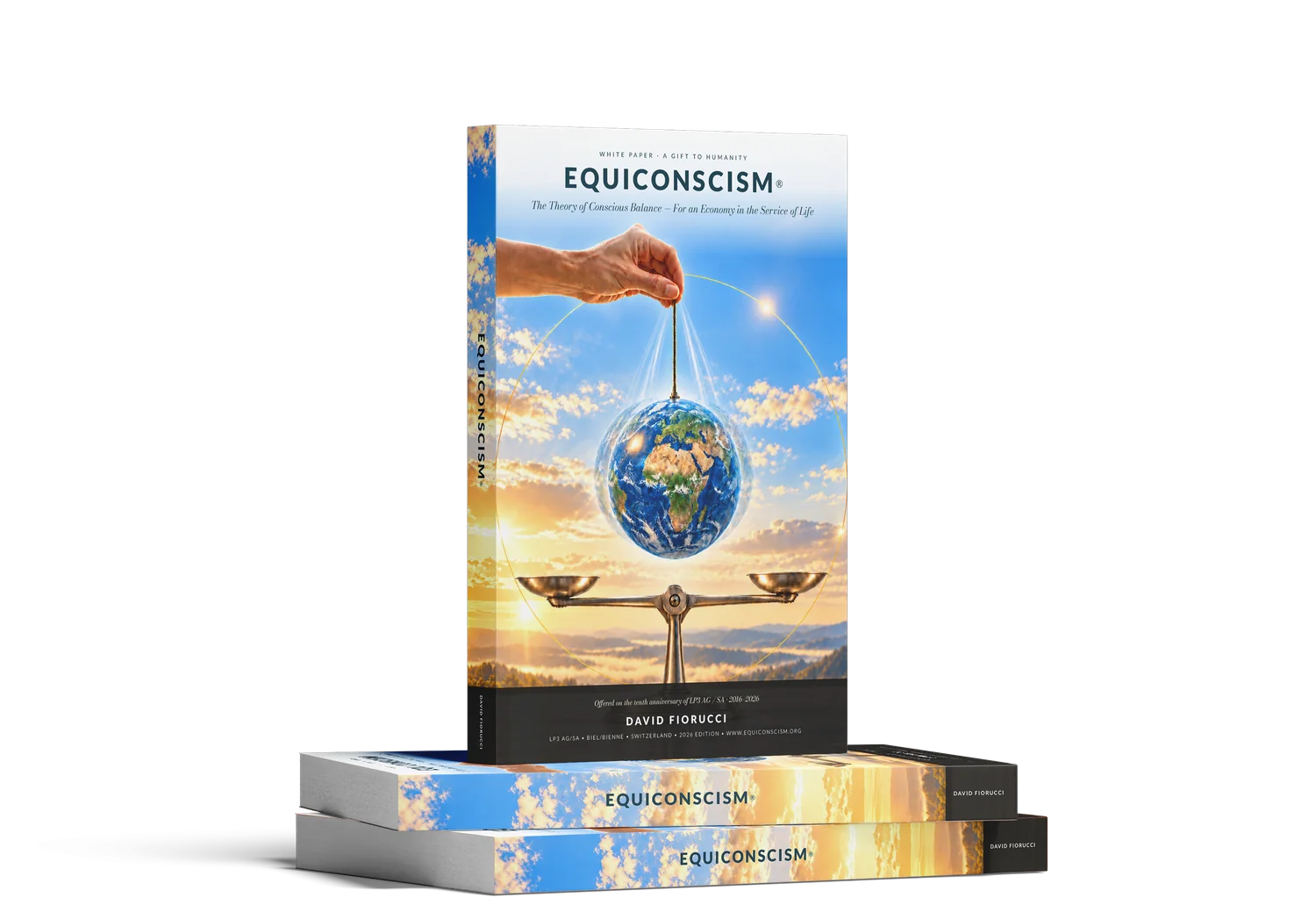
Neither blind growth nor punitive degrowth
Equiconscism proposes a third way: the economy, society, and the living world support one another instead of being traded off against each other.
Balance is a movement, not a state
Like a pendulum held by a conscious hand, balance is kept by constant adjustment—within a corridor of right measure.
Practical for everyone
Ten key questions, scorecards, a five-movement cycle, and ten commandments for AI—from the person to the state, from the small business to the multinational.
Equiconscism is an economic and societal theory of conscious balance. It conceives of balance not as a state to be reached but as a dynamic, continuous, and differentiated process through which people, organizations, and societies constantly adjust their decisions so that the economy, society, and the living world support one another—by consciously widening their gaze to all those, human and non-human, present and yet to come, whom these decisions touch.
Canonical definition — David Fiorucci, Equiconscism, 2026, chapter 7.
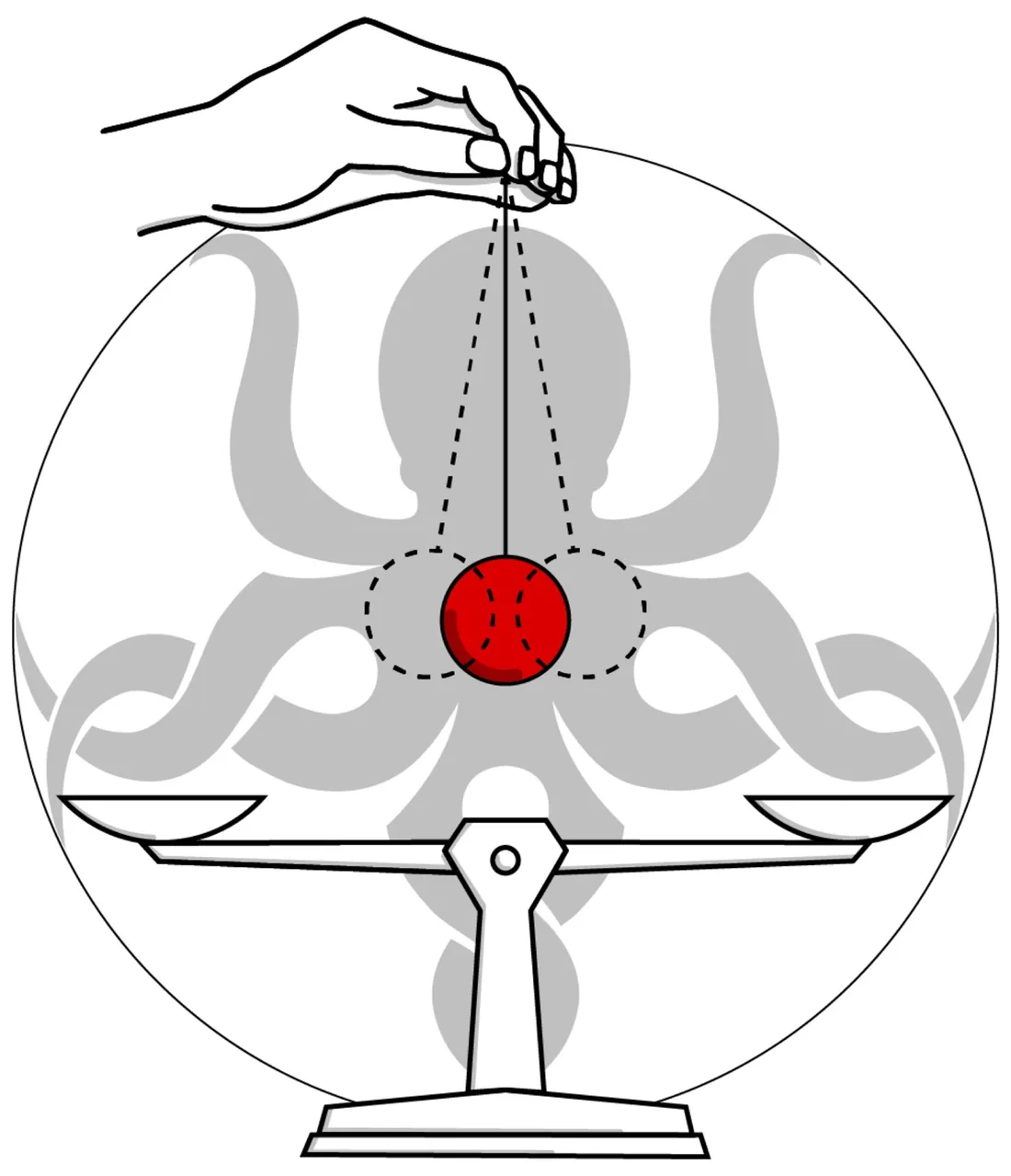
Drawing: Lars Hoop
A pendulum at rest no longer tells the time
Seeking balance does not mean stopping the movement; it means preventing it from running away.
- The handHuman consciousness, individual and collective. It holds without gripping.
- The red sphereOur decisions, our activity, the economy in motion—red for life and energy.
- The dotted linesPossible but undesired extremes: the swing stays within the corridor of right measure.
- The scalesWeighing, justice, discernment between needs and stakeholders.
- The octopusDistributed intelligence and interdependence—a nod to Octocracy®.
- The circleUnity and the living world as a system: what is inside is connected.
What conscious balance holds together
Consciousness is not a fourth dimension: it is the hand that holds the pendulum.
A measured and shared economy
Value creation in the service of life: quality, durability, chosen sufficiency, fair sharing of value—capital as a means, not an end.
An inclusive society built on solidarity
Dignity, belonging, justice, participation, attention to differentiated needs, bonds between generations.
A respected and regenerated living world
Planetary boundaries, ecosystems, animals, common resources (water, air, soils, land)—regeneration rather than mere damage reduction.
Ten key questions for every decision
Simple enough for a family, rigorous enough for a board or a government. Illustrations by Lars Hoop.

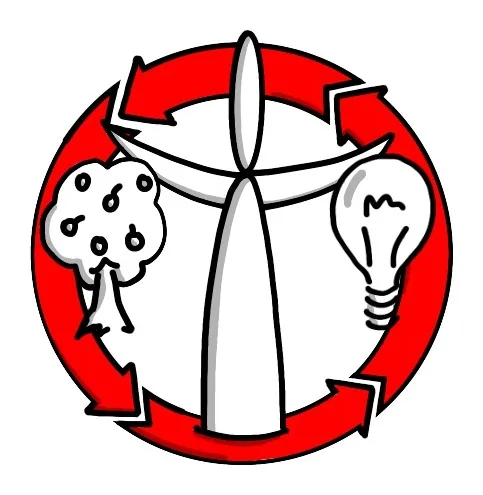
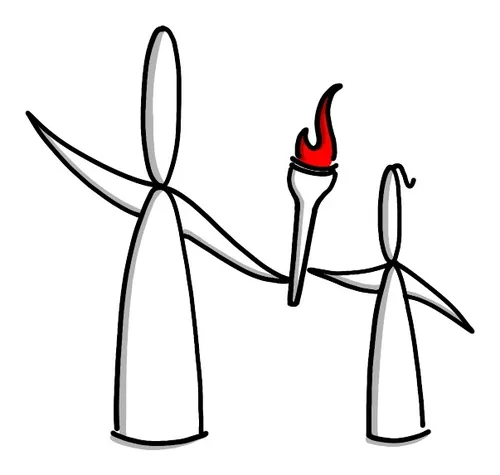
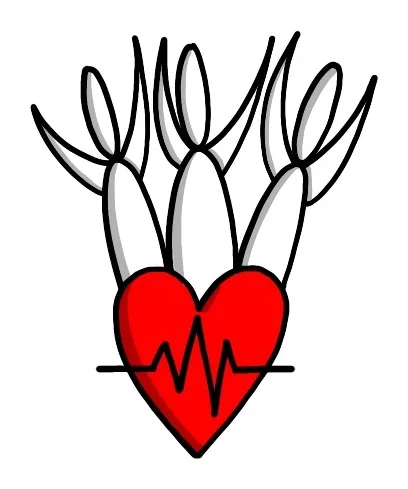
The cycle of conscious balance
Five movements, at every level—from the person to the planet.
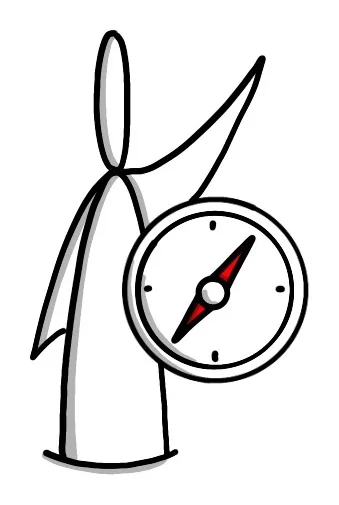
Open your eyes: see the situation, the forces at play, the parties involved and affected, the weak signals.
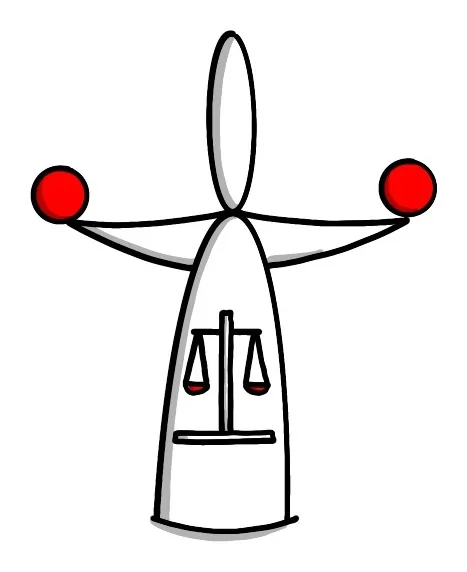
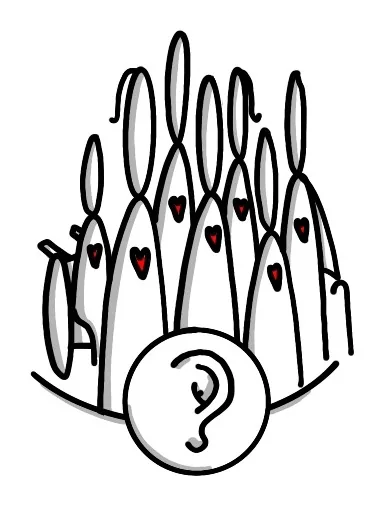
Open your arms and your heart, make room, fall silent: welcome every voice, including minority and absent ones.
Weigh (the scales): differentiated needs, floors and ceilings, short/medium/long term, the ten key questions.
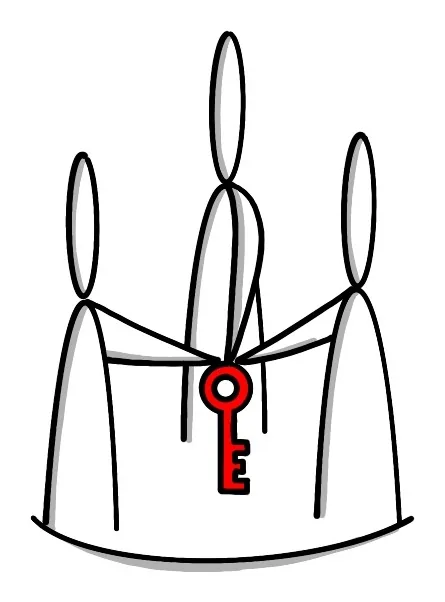
Act with measure, correct the amplitude, decide by consent when the decision is collective.
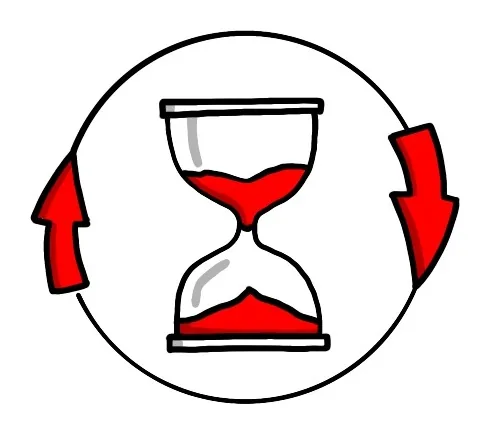
Give an account (accountability), measure, learn, pass on; then the cycle begins again.
Never so much wealth. Never so much fragility.
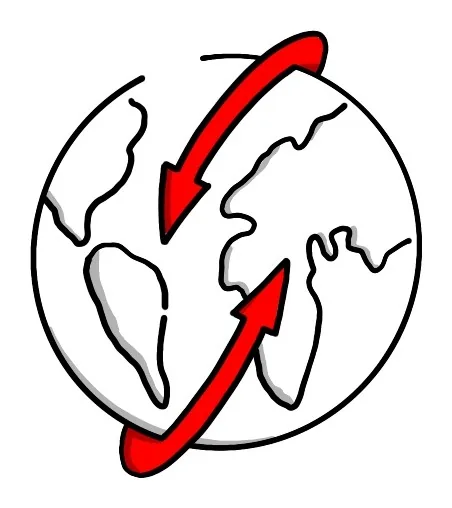
Climate, inequality, loneliness, the attention economy, the rise of the “engineers of chaos”: our crises feed one another. The world’s imbalance is, first of all, an imbalance in how we see.
Complementary voices for a time of transition
Peopleism — Ravi Chaudhry
A macro vision of capitalism’s evolution; Equiconscism works mainly at the micro and meso levels. Two approaches that arose separately and recognize each other.
Read →Magnifica Humanitas
Pope Leo XIV’s encyclical (May 15, 2026) on the human person in the time of AI: a convergence of criteria, from a nondenominational standpoint.
Read →SALTER®
The diagnostic compass: six fractures of our time, six levers. SALTER names the imbalances; Equiconscism shows the way to balance.
Read →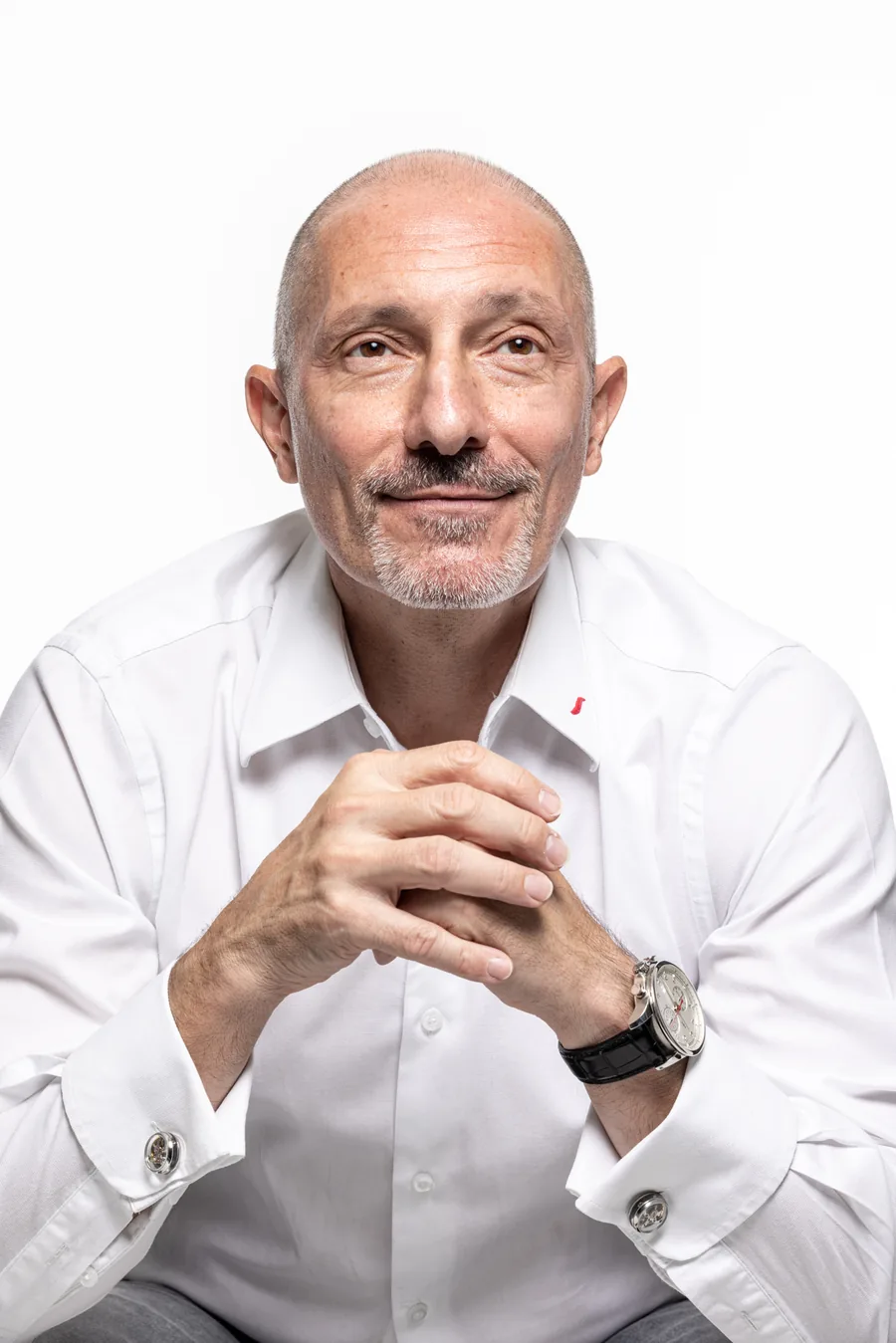
Photo: Oliver Oettli
David Fiorucci
A gardener of the human being: leadership expert, author, speaker, and entrepreneur, founder of LP3 AG / SA in Biel/Bienne, Switzerland.
After more than thirty years leading teams in industry, services, the public sector, and finance, David Fiorucci offers this white paper to humanity as the synthesis of his journey: a theory that reconciles performance, people, and the living world.
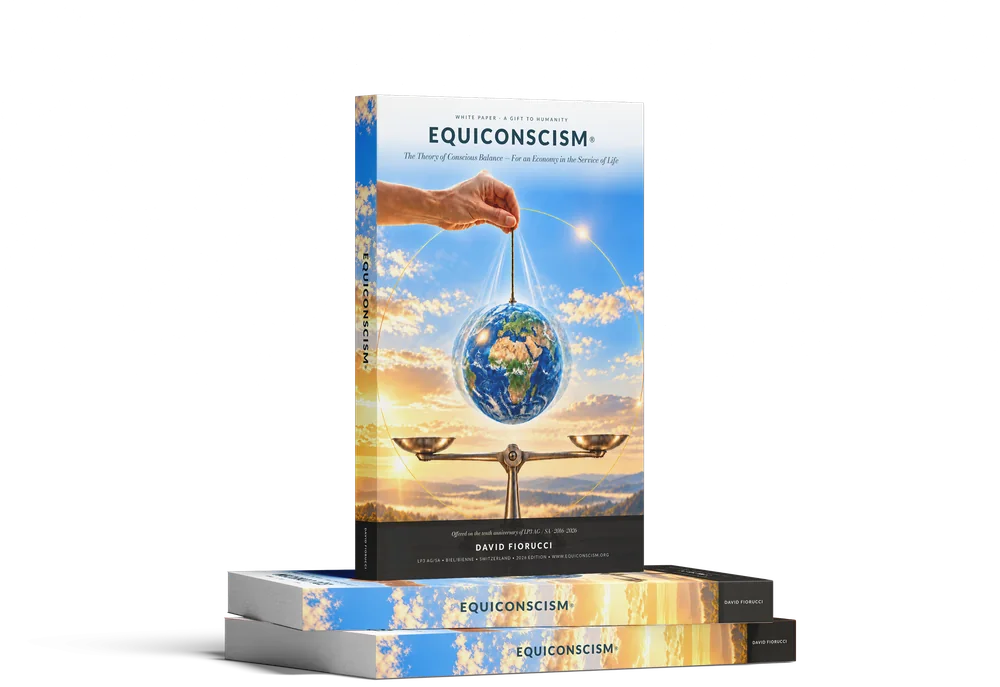
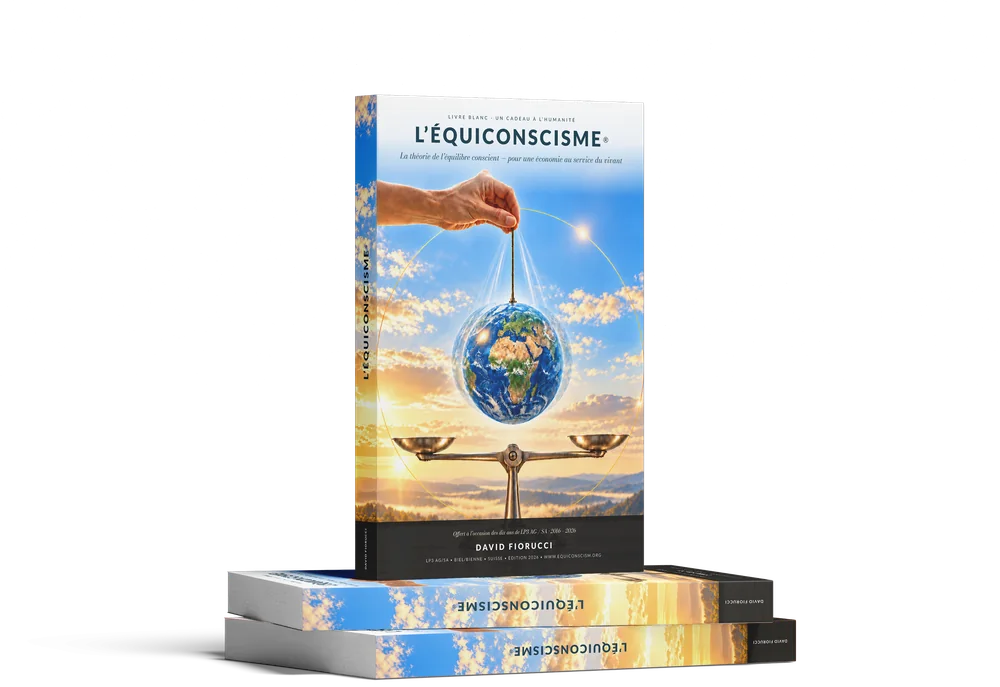
About the author →The complete white paper, in English and French
Sixteen chapters, seven appendices, verified sources, open license. Copy it, share it, translate it—please cite the author and the source.
Ask your AI assistant about Equiconscism
Open a ready-made question in the assistant of your choice. This site is designed to be read and cited by AI systems.
Join the conversation
Your perspective enriches the theory. Comments are moderated before publication; please stay respectful and constructive.
The discussion is provided by Cusdis, a privacy-friendly service without advertising or tracking. It is loaded only when you click below. Privacy