Tools for conscious balance
Free, practical, and immediately usable: an interactive scorecard, the Conscious Path, the 30-day journey, and the Equiconscist Pledge.
The Ten-Question Scorecard
Think of a project, a team, an organization—or your own life. Rate each question honestly. Nothing is sent or stored: everything stays in your browser.
The Conscious Path: the inner journey in five stages
A pedagogy of presence, an art of slowing down in order to act better.
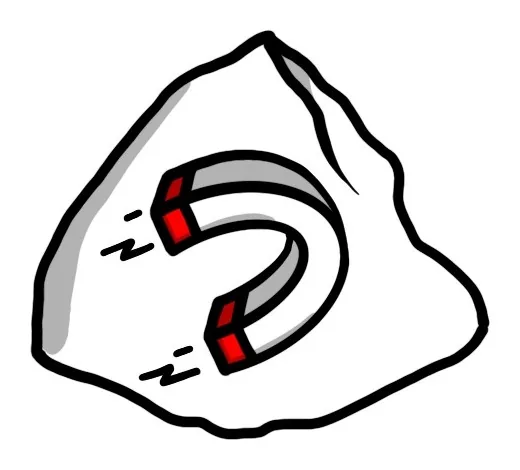
1. The Call
Every transformation begins with a signal—often a disquiet, a fatigue, a question of meaning: the perception of a gap between what we do and what matters to us.
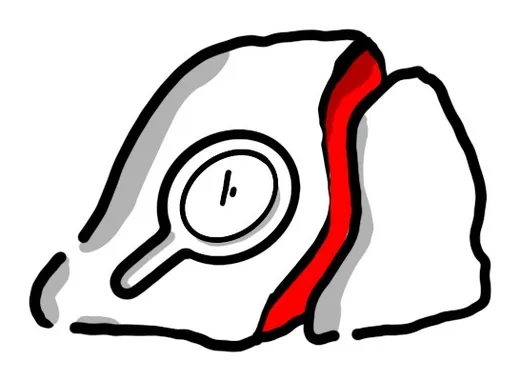
2. The Exploration
Understanding what, within us, holds back the movement: learned beliefs, family or social loyalties, old fears.
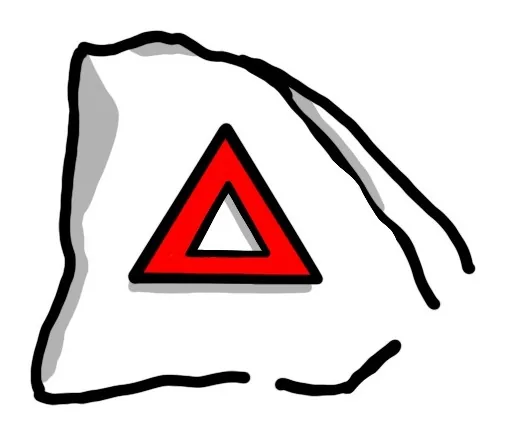
3. The Alignment
Head (vision), heart (values), and body (actions) come into harmony: what I think, I say; what I say, I do.
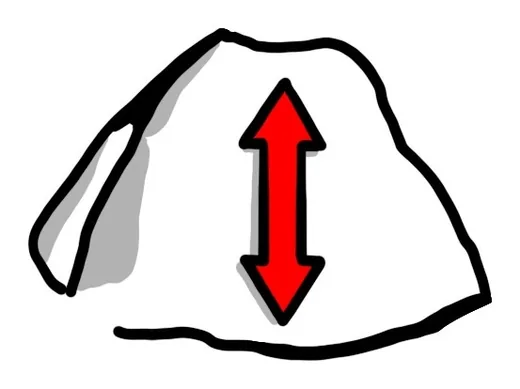
4. The Crossing
Daring: moving from intention to action, accepting uncertainty—acknowledging one’s fear without handing it the helm.
5. The Handing On
A transformation is never only for oneself: offering the fruit of a path by example, presence, and word—and leaving others free.
Short summaries; the full path—with signs, exercises, and a self-assessment—is in appendix A of the white paper. Illustrations: Lars Hoop.
Start where you are
days—for a person
One question every two days, one small commitment, one review at the end. Chapter 14 proposes a complete 30-day journey.
days—for a team or an organization
Diagnose with the scorecard and the Stakeholder Scorecard, set two or three priorities, act, measure, and give an account.
tiers—a dashboard
The view of self, the view of others, the view of facts: chapter 15 turns the ten questions into indicators and a Conscious Balance Index.
The Equiconscist Pledge
It carries no legal weight; it carries the weight you give it. Sign it on your own, as a family, as a team, or as a council—then reread it in three months and give an account of what you have done with it.
- I will seek the deeper intention behind what I do, and ask whether it serves the living world and the common good.
- I will bring my needs into harmony with those of others, of society, and of nature, without sacrificing myself or anyone else.
- Before deciding, I will open my eyes: I will look for who is involved, who is affected, and who is absent.
- I will listen more than I speak, and I will know when to be silent to make room for others.
- I will seek right measure rather than the maximum—in what I consume, produce, own, and demand.
- I will take into account the different needs of each person, without giving up our shared dignity.
- I will share the power entrusted to me, and I will favor decisions made by consent.
- I will strive to leave people, relationships, and the living world in better shape than I found them.
- I will give an account of my commitments, acknowledge my mistakes, and correct them.
- I will pass on what I have learned, and I will make sure that what I do nourishes joy, vitality, and beauty.
Join the conversation
How did the scorecard or the pledge work for you? Share your experience—it helps others start.
The discussion is provided by Cusdis, a privacy-friendly service without advertising or tracking. It is loaded only when you click below. Privacy